
A solvent trap is sold and designed as a firearm cleaning accessory. Its main job is to thread onto a muzzle and capture dirty solvent, carbon, and debris so your bench stays cleaner. That is the intended and legal purpose.
People still ask whether a solvent trap can be used for anything else. The short answer is limited: some designs can also serve as simple dry storage when sealed, but any use outside cleaning and storage should stay within the product’s original purpose. This guide explains what is practical, what is not, and how to choose a trap that fits real cleaning needs.
Quick Answer
- Primary purpose: Capture solvent and fouling during firearm cleaning
- Secondary practical use: Dry storage for patches or small cleaning items on some modular kits
- Not intended for: Any modification or use that changes the device into something else
- Best practice: Keep the solvent trap unmodified and use it for maintenance only
What a Solvent Trap Is Designed to Do
During bore cleaning, solvent and loosened residue exit the muzzle. A solvent trap attaches to the threaded barrel and contains that liquid and debris instead of letting it drip onto the workbench or floor.
Most kits work through one of two internal designs:
- Modular / cups: Stacked dry storage cups slow and hold solvent; capacity can often be adjusted
- Monocore: A single solid core with channels directs and contains the fluid with fewer parts
Both designs are built for cleaning. That is the function buyers should expect.
Other Practical Uses Within the Cleaning Context
1. Dry Storage
Many modular solvent traps include removable cups and a sealed end cap. When the trap is not mounted for cleaning, those sealed sections can hold dry patches, small brushes, or other cleaning supplies. This is a common secondary use and stays consistent with a maintenance tool.
2. Multi-Firearm Cleaning Station
Owners with several firearms often keep one dual-thread modular kit on the bench. Switching the correct 1/2×28 or 5/8×24 protector lets the same trap serve AR-15s, many 9mm pistols/PCCs, and larger rifles. That is still cleaning use — just across more platforms.
3. Controlled Solvent Capture for Longer Sessions
A higher-capacity 8–10″ trap is useful when you clean multiple guns in one sitting. The extra volume reduces how often you stop to empty the trap. Again, this remains within the cleaning purpose.
Uses That Are Not Appropriate
A solvent trap should not be modified. Drilling, boring, or altering internal parts so a projectile can pass through changes the legal character of the device. Unmodified cleaning use is the safe and intended path.
Also avoid treating a solvent trap as a general-purpose chemical container for unrelated solvents or industrial fluids unless the manufacturer specifically supports that. These kits are built around firearm cleaning chemicals and typical bench use.
How Design Affects What You Can Practically Do
| Design | Primary Cleaning Role | Extra Practical Value |
|---|---|---|
| Modular with cups | Adjustable solvent capacity | Dry storage + multi-firearm flexibility |
| Monocore | Simple, compact capture | Fast setup for single-platform cleaning |
| Dual-thread kits | Works across 1/2×28 and 5/8×24 | One tool for mixed pistol and rifle collections |
Recommended Solvent Traps for Real Cleaning Use
1. Best All-Around Modular Kit

10″ Aluminum Modular Solvent Trap Kit — $129.99
- Adjustable cups for cleaning capacity and optional dry storage
- Dual 1/2×28 and 5/8×24 thread protectors
- Strong choice for AR-15, many pistols, and mixed collections
Shop 10″ Aluminum Modular Kit →
2. Best Durable Modular Option

10″ Stainless Steel Modular Solvent Trap Kit — $239.99
- 304 stainless steel for frequent solvent exposure
- Same modular flexibility and dual-thread convenience
Shop 10″ Stainless Modular Kit →
3. Best Value Cups-Style Trap
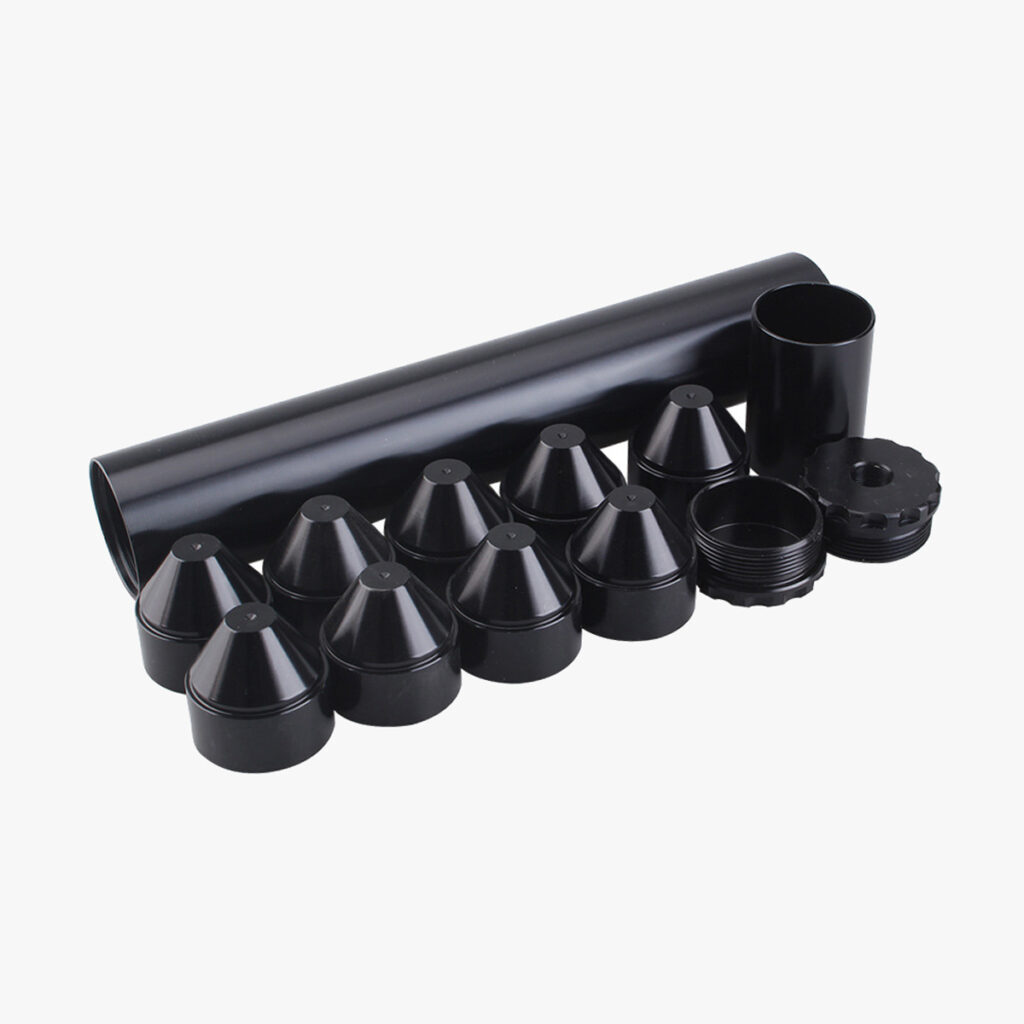
10″ Aluminum Solvent Trap with Dry Storage Cups — $92.99
- High cleaning capacity at a lower price
- Cups support both solvent capture and dry storage use
4. Best Compact Cleaning Option
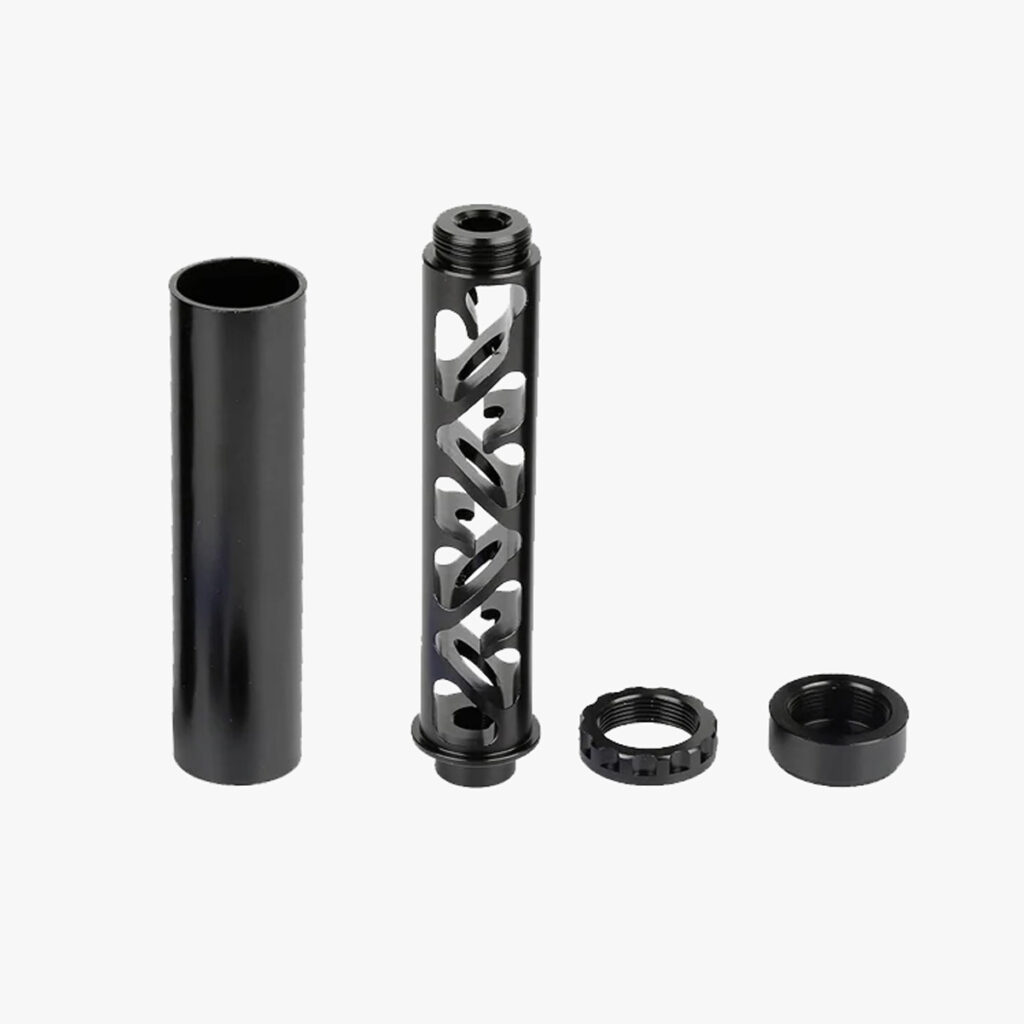
6″ Monocore Solvent Trap Aluminum Type B — $62.99
- Simple, compact design for quick pistol or single-firearm cleanings
- Fewer parts and easy routine maintenance
Practical Tips for Staying Within Intended Use
- Confirm the correct muzzle thread before mounting.
- Use the trap only to capture cleaning solvent and debris.
- Empty and clean the trap after each session.
- If your kit includes sealed cups, use them for dry cleaning supplies when desired.
- Do not modify the device in any way that creates a continuous projectile path.
Frequently Asked Questions
Can I use a solvent trap for other purposes besides firearm cleaning?
Its designed purpose is firearm cleaning. Some modular kits can also serve as dry storage for patches or small cleaning items when sealed. Keep the trap unmodified and within maintenance use.
Can a solvent trap be used as a storage container?
Many modular designs with dry storage cups and a solid end cap can hold dry cleaning supplies when not mounted. That remains a maintenance-related use.
Is it legal to own a solvent trap?
When purchased and used as an unmodified cleaning accessory, a solvent trap is generally treated as a legal maintenance tool under federal law. Always follow current federal, state, and local rules.
Does modular design offer more practical uses than monocore?
Modular kits usually offer more capacity options and dual-thread flexibility, plus optional dry storage. Monocore traps are simpler and better for compact, single-platform cleaning.
Can one solvent trap cover both pistols and rifles?
Yes, when the kit includes the correct thread protectors (commonly 1/2×28 and 5/8×24) and those threads match your firearms.
Should I modify a solvent trap for another purpose?
No. Leave the device unmodified. Use it for cleaning and related maintenance tasks only.
Final Takeaway
A solvent trap is built for firearm cleaning. That is the use that delivers the real benefit — cleaner benches, less solvent mess, and easier maintenance. Some modular kits add practical dry-storage value, and dual-thread designs help one kit cover more firearms. Beyond that, stick to the intended purpose and keep the trap unmodified.
Choose the design that matches how you clean, confirm the correct thread, and use it as a maintenance tool.