
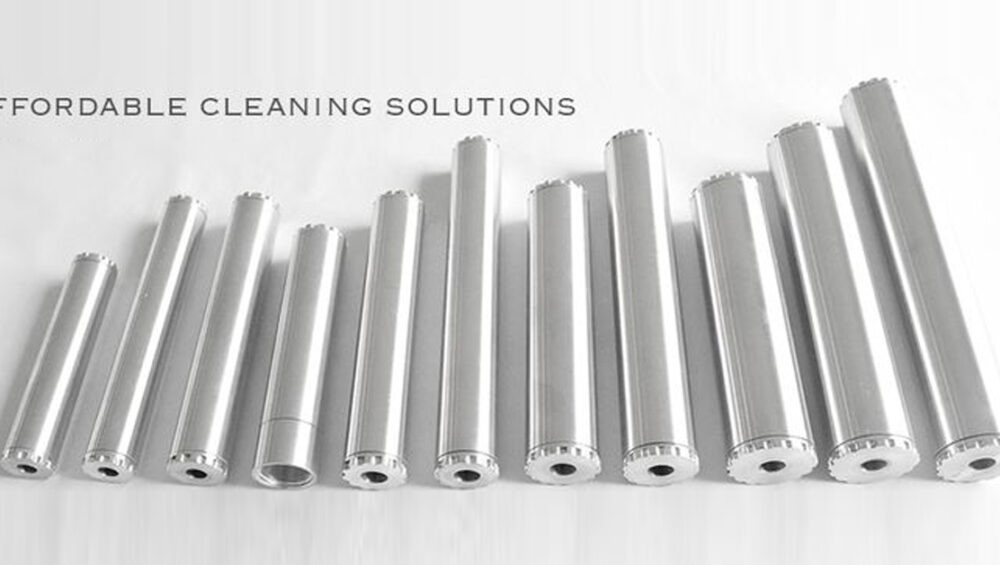
When shopping for a solvent trap, one of the first size questions that appears is “D-Cell or C-Cell?” These letter designations refer to the outer diameter (OD) class of the tube and directly affect internal volume, weight, handling, and which firearms the trap suits best.
This guide explains the real differences between D-Cell and C-Cell solvent traps, how they compare to common modern sizes, and how to pick the right diameter for your cleaning needs.
What Do D-Cell and C-Cell Actually Mean?
“Cell size” is an industry naming convention used to describe the approximate outer diameter of solvent trap tubes (originally borrowed from battery cell sizes). The letter is a convenient label — the measured outer diameter is what matters most.
| Cell Designation | Typical Outer Diameter (OD) | Characteristics |
|---|---|---|
| C-Cell | ≈ 1.23″ – 1.25″ | More compact, lighter, lower internal volume |
| B-Cell | ≈ 1.375″ | Very common industry standard; good balance of size and capacity |
| D-Cell | ≈ 1.50″ – 1.58″ | Larger diameter, higher solvent capacity, more bulk |
Many current modular kits fall in the 1.50″–1.58″ range and are often grouped with or referred to alongside D-Cell style tubes because of their larger internal volume.
Key Differences: D-Cell vs C-Cell
1. Size and Capacity
- D-Cell / larger OD (≈1.50″+) — Greater internal volume means the trap can hold more solvent and debris before needing to be emptied. Better for longer cleaning sessions or larger-caliber rifles.
- C-Cell / smaller OD (≈1.23″) — More compact and lighter. Easier to handle and store, but holds less solvent per session.
2. Weight and Handling
Larger-diameter tubes naturally weigh more, especially in stainless steel. C-Cell style traps feel less bulky on the muzzle and are preferred by users who prioritize portability.
3. Thread Compatibility
Both sizes can be offered with common muzzle threads, but availability differs:
- Larger D-Cell style kits frequently include both 1/2×28 and 5/8×24 thread protectors.
- Smaller C-Cell style traps are more often limited to 1/2×28, which covers AR-15, many 9mm, and rimfire platforms.
4. Best Firearm Match
- D-Cell / larger OD — Well suited for .308, AR-10 platforms, and users who clean multiple or larger-caliber rifles.
- C-Cell / compact OD — Practical for .223/5.56, 9mm, .22 LR, and shooters who prefer a smaller overall package.
How to Decide Between D-Cell and C-Cell Style
- Check your barrel thread first (1/2×28 or 5/8×24 are the most common).
- Decide whether higher solvent capacity (larger OD) or lower weight/bulk (smaller OD) is more important.
- Consider how many firearms you clean. Dual-thread larger kits offer more versatility.
- Think about storage and handling — a more compact trap is easier to pack and less obtrusive.
Recommended Solvent Traps by Size Class
Larger OD / D-Cell Style Options (Higher Capacity)
10″ Aluminum Modular Solvent Trap Kit (1.58″ OD) — $129.99
- 1.58″ outer diameter — solid capacity for extended cleaning
- Modular design with dry storage cups
- Dual 1/2×28 and 5/8×24 thread protectors
- Best overall choice for most multi-firearm owners
View 1.58″ Aluminum Modular Kit →
10″ Stainless Steel Modular Solvent Trap Kit — $239.99
- Larger-diameter stainless construction
- Excellent corrosion resistance for frequent use
- Same dual-thread modular flexibility
10″ Aluminum Solvent Trap with Dry Storage Cups (1.7″ OD) — $92.99
- One of the highest-capacity aluminum options available
- Dual thread protectors included
- Strong value for users who want maximum solvent volume
More Compact Options
- 6″ Monocore Solvent Trap Aluminum TypeA (1.38″ OD) — $62.99 — Compact fixed-core design
- 6.5″ Stainless Steel Modular Solvent Trap Kit (1.18″ OD) — More compact modular stainless choice
Browse All Solvent Trap Sizes →
Important Notes on Cell Size Naming
Different manufacturers sometimes use slightly different measurements under the same letter name. Always check the actual outer diameter (OD) listed in the product specifications rather than relying only on the “C-Cell” or “D-Cell” label. Modern modular kits in the 1.50″–1.58″ range deliver the higher capacity traditionally associated with D-Cell tubes while remaining practical for everyday use.
Frequently Asked Questions
What is the main difference between D-Cell and C-Cell solvent traps?
The primary difference is outer diameter and internal volume. D-Cell style tubes are larger (around 1.50″+) and hold more solvent. C-Cell style tubes are more compact (around 1.23″) and lighter.
Which size is better for an AR-15?
Most AR-15s use 1/2×28 threads. Both size classes can work, but many owners prefer a dual-thread modular kit in the larger 1.50″–1.58″ range for greater capacity and the ability to also fit 5/8×24 barrels.
Does a larger cell size always mean better performance?
Not necessarily. Larger diameter gives more solvent capacity, which is useful for long cleaning sessions. Smaller diameters are easier to handle and store. Choose based on your actual cleaning habits.
Can I use the same solvent trap on both 1/2×28 and 5/8×24 barrels?
Yes — if the kit includes both thread protectors. Many current modular kits in the larger OD class offer this dual-thread convenience.
Is B-Cell the same as D-Cell?
No. B-Cell is typically around 1.375″ OD, while D-Cell is larger (≈1.50″). Some modern kits sit between or slightly above these traditional sizes, so always verify the measured OD.
Which should a beginner buy?
A dual-thread modular kit in the 1.50″–1.58″ range offers the best combination of capacity, versatility, and future-proofing for most new solvent trap users.
Final Recommendation
Choose a larger OD / D-Cell style solvent trap (around 1.50″–1.58″) if you want higher solvent capacity and plan to clean multiple or larger-caliber firearms. Choose a more compact C-Cell style or smaller OD trap if portability and lighter weight are your top priorities.
For most shooters, a dual-thread modular kit in the larger size class delivers the best long-term value and flexibility.