
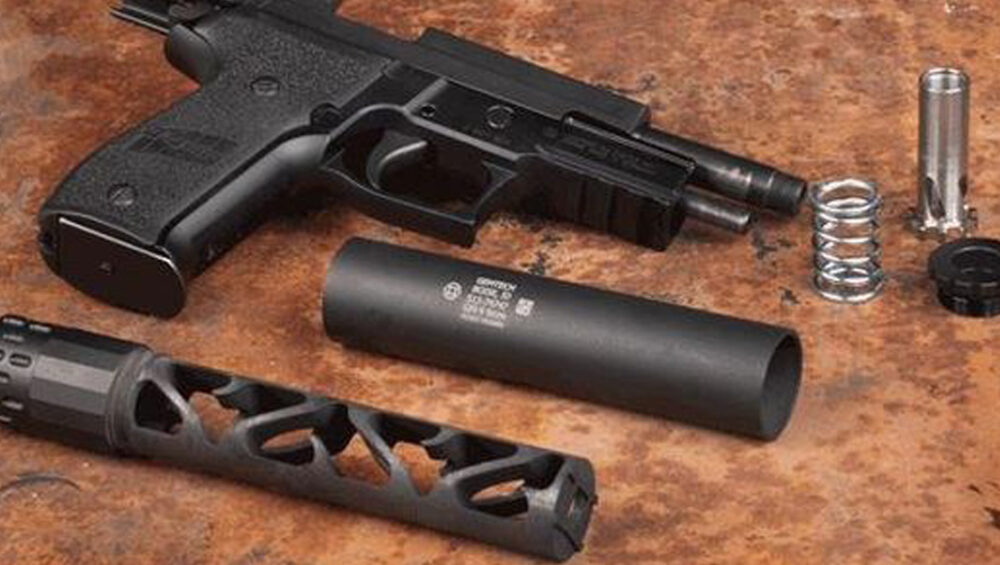
A solvent trap is one of the most practical accessories for mess-free firearm cleaning. It threads onto the muzzle, captures dirty solvent and carbon as they exit the bore, and keeps your bench, floor, and hands cleaner. Understanding how a solvent trap works helps you choose the right design, use it correctly, and maintain it for long-term performance.
This guide explains the full mechanics — from muzzle attachment to internal cups or monocore cores — so you know exactly what happens during a cleaning session and which type of solvent trap fits your needs.
What Is a Solvent Trap?
A solvent trap is a sealed metal tube that attaches to a firearm’s threaded muzzle. During bore cleaning, solvent, patches, and loosened fouling are pushed through the barrel. Instead of dripping onto the workbench, the liquid and debris flow into the trap, where internal cups or a solid core slow and contain them.
When used only for cleaning and left unmodified, a solvent trap is a legal maintenance accessory. It is not a suppressor and must not be altered to allow a projectile to pass through.
How Do Solvent Traps Work? Step-by-Step Mechanics
1. Attachment to the Muzzle
Most solvent traps use a thread protector or direct muzzle interface. The two most common U.S. thread pitches are:
- 1/2×28 — standard on many AR-15s, 9mm pistols, and PCCs
- 5/8×24 — common on AR-10 / .308 and larger rifle platforms
A secure, correctly matched thread is essential. Dual-thread kits that include both protectors give the most flexibility across different firearms.
2. Solvent and Debris Exit the Bore
During normal cleaning you apply solvent, brush the bore, and push patches through. Dirty solvent, carbon, copper, and lead residue exit the muzzle under the pressure of the cleaning rod and patches.
3. Internal Capture System
This is the core of how a solvent trap works. Two main internal designs are used:
Modular / Cups Design
Stacked dry storage cups (sometimes called baffle cups) sit inside the tube. Each cup catches a portion of the liquid and debris, slowing flow and preventing back-splash into the barrel. You can often add or remove cups to change capacity and overall length.
Monocore Design
A single solid core with spiral or chambered channels directs solvent through precision paths. There are fewer individual parts, which makes assembly and routine cleaning simpler while still containing the fluid effectively.
4. Containment and Emptying
The far end of the trap is sealed with a solid end cap. After cleaning, you unscrew the trap, empty the collected solvent and debris, and clean the internal components for reuse.
5. Optional Dry Storage Use
Many modular kits allow the cups or sealed tube to double as dry storage for patches, small tools, or other cleaning supplies when not in active use.
Modular vs Monocore: How the Internal Design Changes Performance
| Feature | Modular / Cups | Monocore |
|---|---|---|
| Internal structure | Stacked removable cups | Single solid core with channels |
| Capacity adjustment | High — add or remove cups | Fixed |
| Ease of deep cleaning | Excellent (individual parts) | Very good (fewer parts) |
| Best for | Multiple firearms, longer sessions | Simple, compact, quick cleanings |
Why Material Matters in How a Solvent Trap Performs
- Aluminum — Lighter weight, easier handling on longer kits, usually more affordable.
- Stainless steel (304) — Superior corrosion resistance against aggressive bore solvents and frequent use.
Both materials work well when the trap is designed correctly. Choose aluminum for everyday convenience or stainless when durability is the priority.
Recommended Solvent Traps Based on How They Work
1. Best Overall Modular Design (Adjustable Cups & Capacity)

10″ Aluminum Modular Solvent Trap Kit → $129.99
- Classic modular cup system that clearly demonstrates adjustable solvent capture
- Dual 1/2×28 and 5/8×24 thread protectors
- Lightweight aluminum for easier handling when fully assembled
2. Best Durable Modular Option

10″ Stainless Steel Modular Solvent Trap Kit → $239.99
- Same modular cup mechanics with superior corrosion resistance
- Ideal for frequent cleaning and aggressive solvents
- Dual-thread flexibility for multiple platforms
3. Best Value Cups-Style Trap
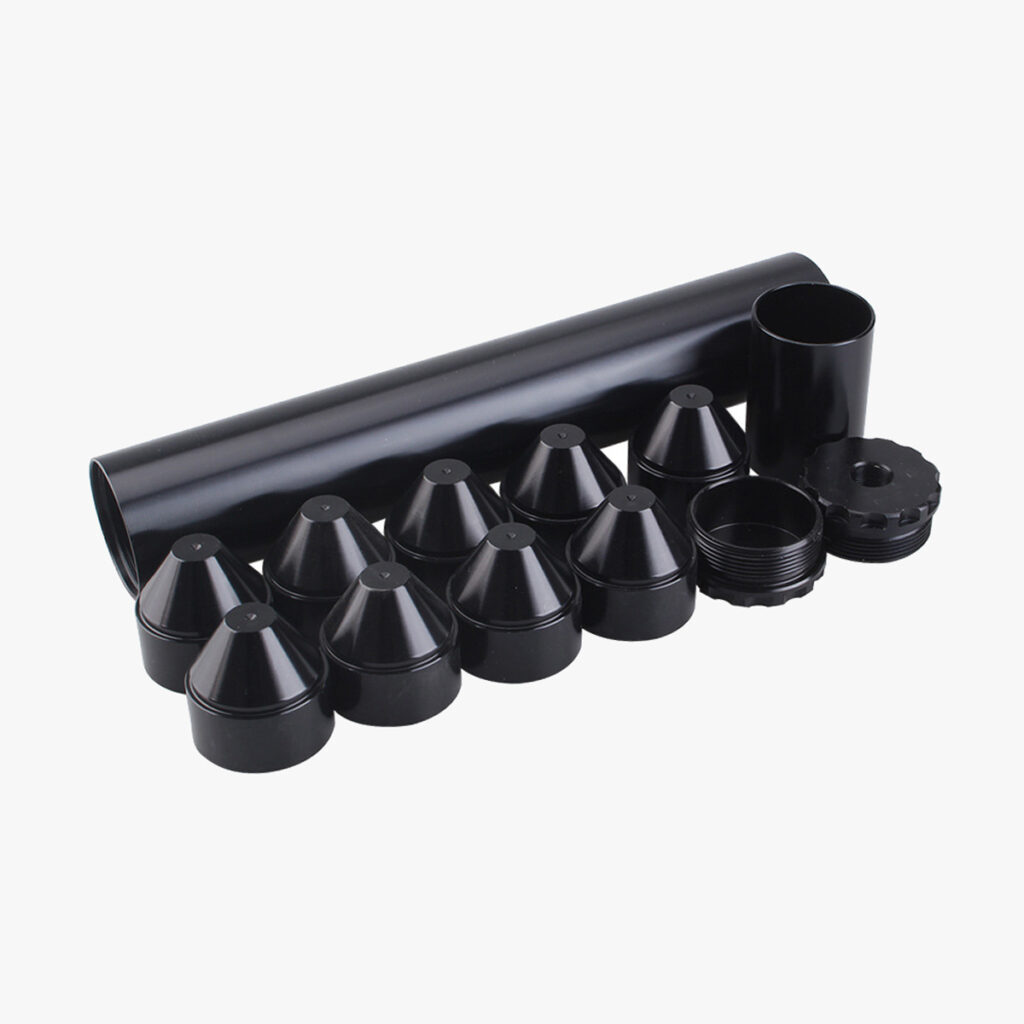
10″ Aluminum Solvent Trap with Dry Storage Cups → $92.99
- Clear demonstration of stacked dry storage cups in action
- High capacity at a lower price point
- Dual-thread compatibility
4. Best Simple Monocore Design
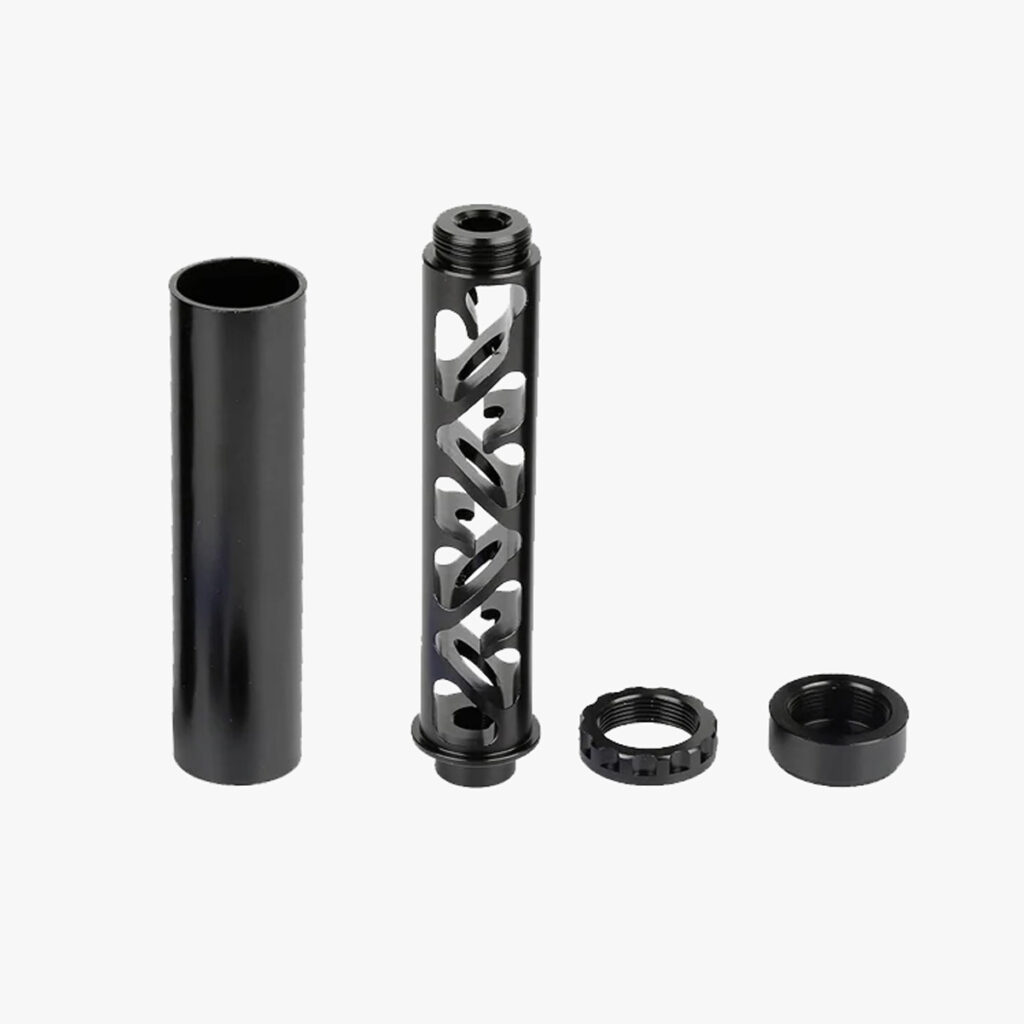
6″ Monocore Solvent Trap Aluminum Type B → $62.99
- Single-core internal geometry — fewer parts, simple operation
- Compact size ideal for quick cleanings and pistols
- Available in common thread options
How to Use a Solvent Trap Correctly
- Confirm your barrel thread and install the matching protector.
- Assemble the trap (add the desired number of cups on modular models).
- Thread the trap securely onto the muzzle.
- Clean the bore as usual with solvent, brush, and patches.
- Allow dirty solvent and debris to flow into the trap.
- Remove the trap, empty the contents, and clean the internal parts.
- Dry and reassemble for the next session.
Frequently Asked Questions
How do solvent traps work during cleaning?
They thread onto the muzzle and capture solvent and fouling as it exits the bore. Internal cups or a monocore slow and contain the liquid so it does not spill onto the bench.
What is the difference between modular and monocore solvent traps?
Modular traps use stacked removable cups and can change capacity. Monocore traps use a single solid core with internal channels and are simpler with fewer parts.
Do solvent traps filter and reuse solvent?
They capture and contain solvent and debris. After emptying and cleaning the trap, any recovered solvent should be handled according to the solvent manufacturer’s guidance and local disposal rules.
Why do some solvent traps have dry storage cups?
Dry storage cups increase capture capacity and can also hold patches or small cleaning items when the trap is not in active use.
Does a longer solvent trap work better?
Longer traps generally hold more solvent, which is useful for extended or multi-firearm sessions. Shorter traps are more convenient for quick cleanings and compact firearms.
Is a solvent trap legal?
When used only as a cleaning accessory and left unmodified, a solvent trap is a legal maintenance tool under federal law. Any modification that creates a continuous projectile path changes its legal status.
Final Takeaway
A solvent trap works by providing a sealed, threaded container that intercepts dirty solvent and debris at the muzzle. Modular designs use stacked cups for adjustable capacity; monocore designs use a single internal core for simplicity. Choose the style that matches how you clean, confirm the correct thread, and keep the device unmodified for legal cleaning use only.
Once you understand the mechanics, selecting and using a solvent trap becomes straightforward — and your cleaning sessions stay far cleaner.